Rewrite the Code: Bridging the Gap in Tech Careers for Women
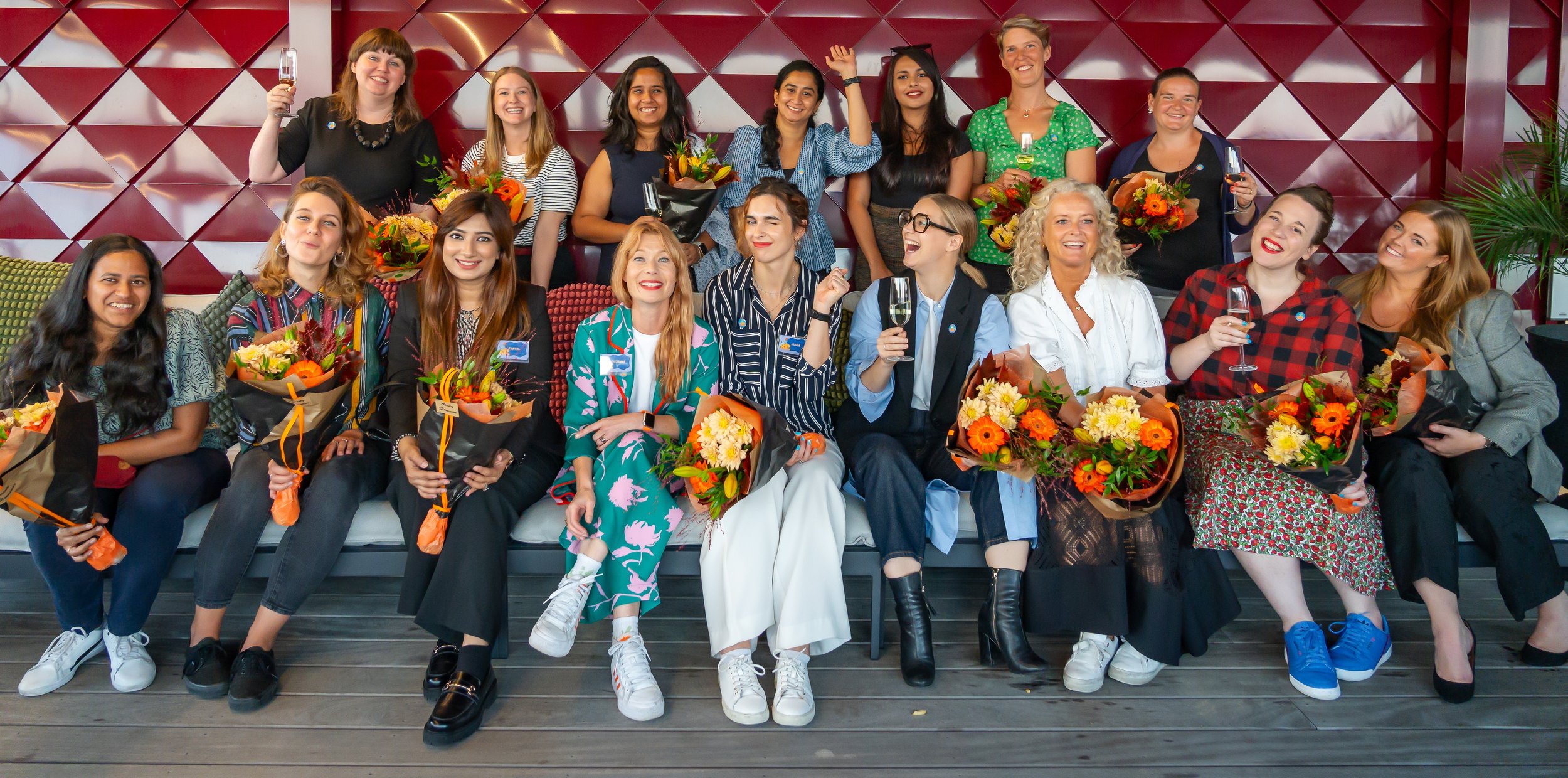
Presenting RTC at an event
Introduction: The Challenge
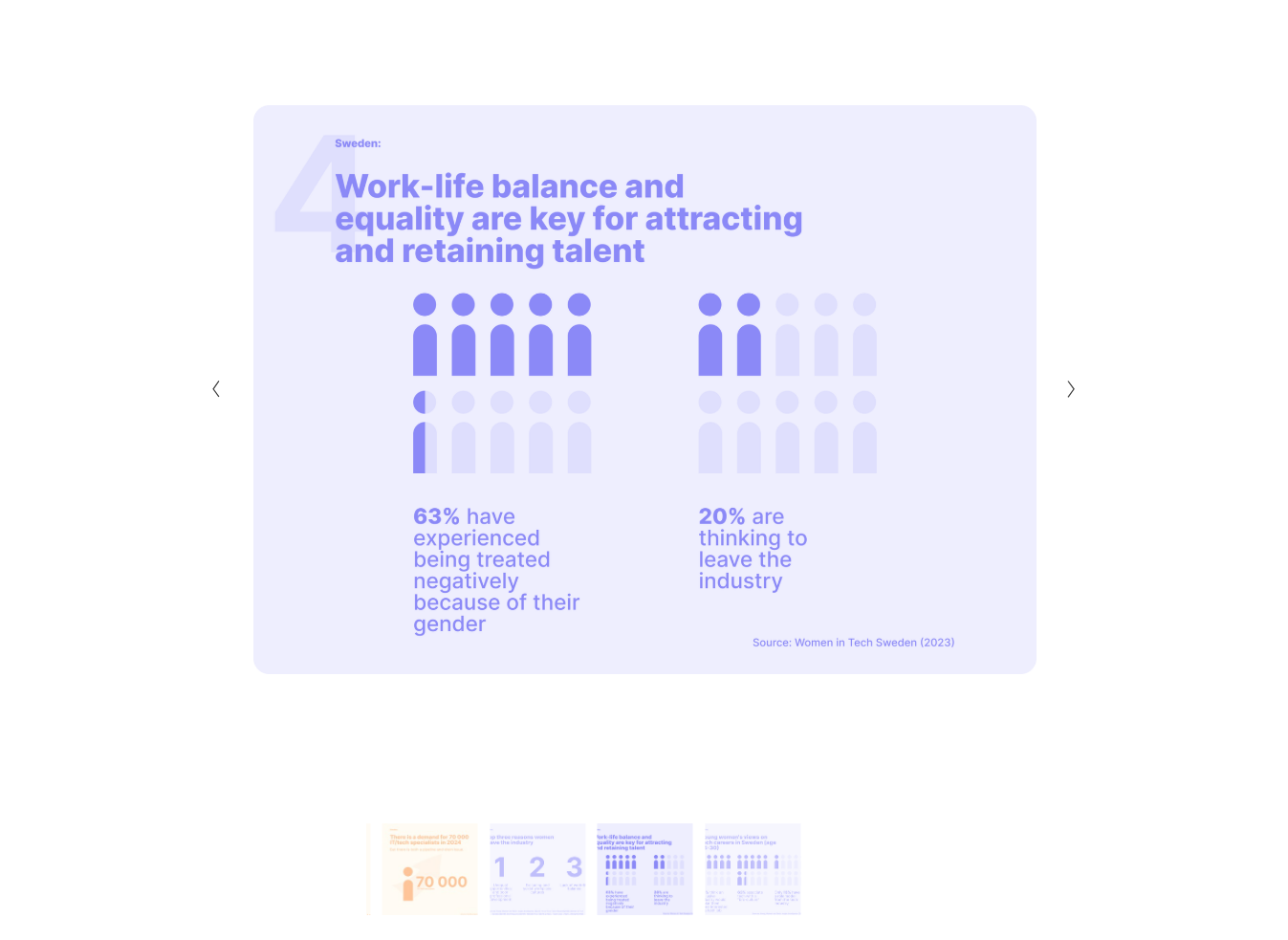
The tech industry, a powerhouse of innovation, suffers from a significant gender imbalance. Women face numerous hurdles, from breaking into the field to climbing the career ladder. Despite the existence of various programs aimed at addressing this issue, many fall short due to usability issues, accessibility barriers, and a lack of key functionalities. They simply aren't meeting the real needs of the women they aim to serve.
Problem Statement:
Women are underrepresented in the tech industry, often encountering barriers to entry, a lack of mentorship opportunities, and limited access to career-advancing resources. Existing programs designed to tackle this problem often lack the usability, accessibility, and functionality needed to make a real difference.
Objective:
Our mission: to design an intuitive, inclusive, and empowering platform that connects women in tech with the resources, mentors, and opportunities they need to thrive. We envisioned a supportive community where they could connect, learn, and grow together.
Research: Understanding the Users
To build a truly impactful platform, we needed to understand the experiences and needs of women in tech. We embarked on a two-pronged research approach:
1. User Interviews:
We sat down with 15 women at different stages of their tech careers, from students exploring the field to seasoned professionals. Their stories and insights were invaluable. Here's what we learned:
Early Career Women: These women craved guidance on breaking into the industry. They needed help understanding essential technical skills, navigating job applications, and accessing entry-level opportunities. Many expressed feeling overwhelmed and unsure where to start.
Mid-Level Professionals: For these women, the challenges shifted to career progression. They sought mentorship to help them navigate promotions, negotiate salaries, and develop leadership skills. Networking opportunities were also a high priority.
Aspiring Leaders: These women were looking for advice on leadership, entrepreneurship, and building a strong personal brand. They wanted to connect with other women who had successfully navigated similar paths.
2. Competitive Analysis:
We took a close look at existing platforms like LinkedIn, Meetup, and several niche mentorship apps. Our goal was to identify what worked, what didn't, and where the gaps were. We discovered some recurring issues:
Overwhelming Interfaces: Many platforms were cluttered and difficult to navigate, discouraging continued engagement. Users felt lost and frustrated.
Lack of Targeted Resources: Generic career advice wasn't cutting it. Women wanted resources specifically tailored to the challenges they faced in the tech industry.
Poor Accessibility: Several platforms lacked proper accessibility features, excluding users with disabilities.
3. Key Insights:
Our research painted a clear picture of what women in tech truly needed:
Personalization is Key: Users wanted tailored advice, resources, and mentors that aligned with their specific career stage and goals. A one-size-fits-all approach simply wasn't effective.
Community and Safety Matter: A supportive, judgment-free space was essential. Women wanted to connect with other women who understood their experiences and could offer encouragement and advice. Safety and inclusivity were non-negotiable.
Simplicity and Accessibility are Crucial: Simplified navigation and accessible design were paramount for increasing engagement and ensuring that everyone could use the platform. A clean, intuitive interface was essential.
Finding Patterns in User Insights: Building the Foundation for Design
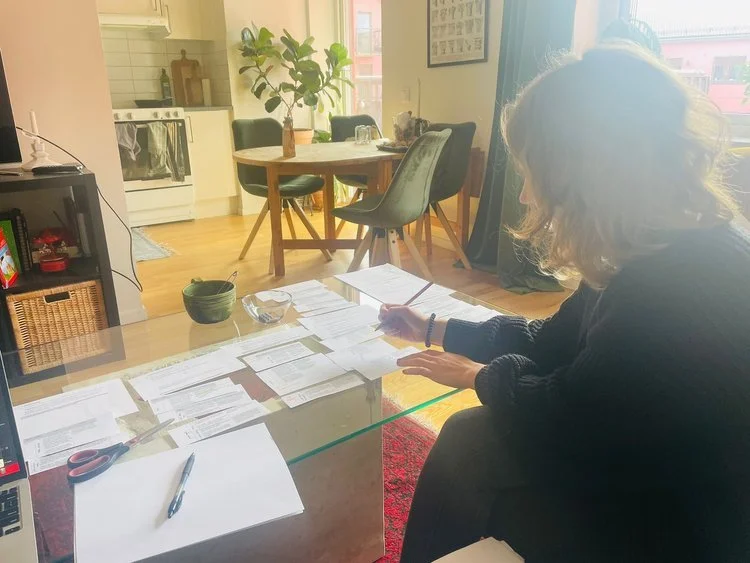
Our user research went beyond interviews. We held interactive workshops where participants openly shared their experiences, challenges, and hopes related to mentorship and career progression in the tech world. These workshops provided a rich source of qualitative data.
To make sense of it all, we dove deep into the participant responses. We meticulously reviewed every comment, highlighting recurring themes and pinpointing common pain points. Using affinity mapping, a powerful technique for synthesizing qualitative data, we grouped similar answers together. This process helped us uncover key patterns that would ultimately shape our design direction.
Emerging Themes:
The affinity mapping process revealed some compelling and consistent themes:
Lack of Access to Mentorship: This was a resounding concern. Users repeatedly expressed the difficulty they faced in finding mentors who truly understood their career goals and could provide relevant guidance. The right mentor felt like a missing piece of the puzzle.
Need for Tailored Resources: Generic career advice wasn't cutting it. Participants craved resources that were specifically tailored to their individual skill levels, aspirations, and the unique challenges they faced as women in tech. They wanted content that resonated with their specific situations.
Safe and Inclusive Community: Creating a safe and inclusive community was paramount. Many users emphasized the importance of a platform where they could connect with other women without fear of judgment, discrimination, or microaggressions. A supportive and welcoming environment was crucial.
Progress Tracking: Users expressed a desire for tools that would allow them to track their personal growth and achievements over time. They wanted to see tangible evidence of their progress and celebrate their milestones.
This synthesis of user insights, gleaned through workshops and affinity mapping, proved invaluable. It provided a clear roadmap for defining the core features of our platform, ensuring that we were directly addressing the real, unmet needs of women in the tech industry. We were building a solution based on real experiences, not assumptions.
Ideation
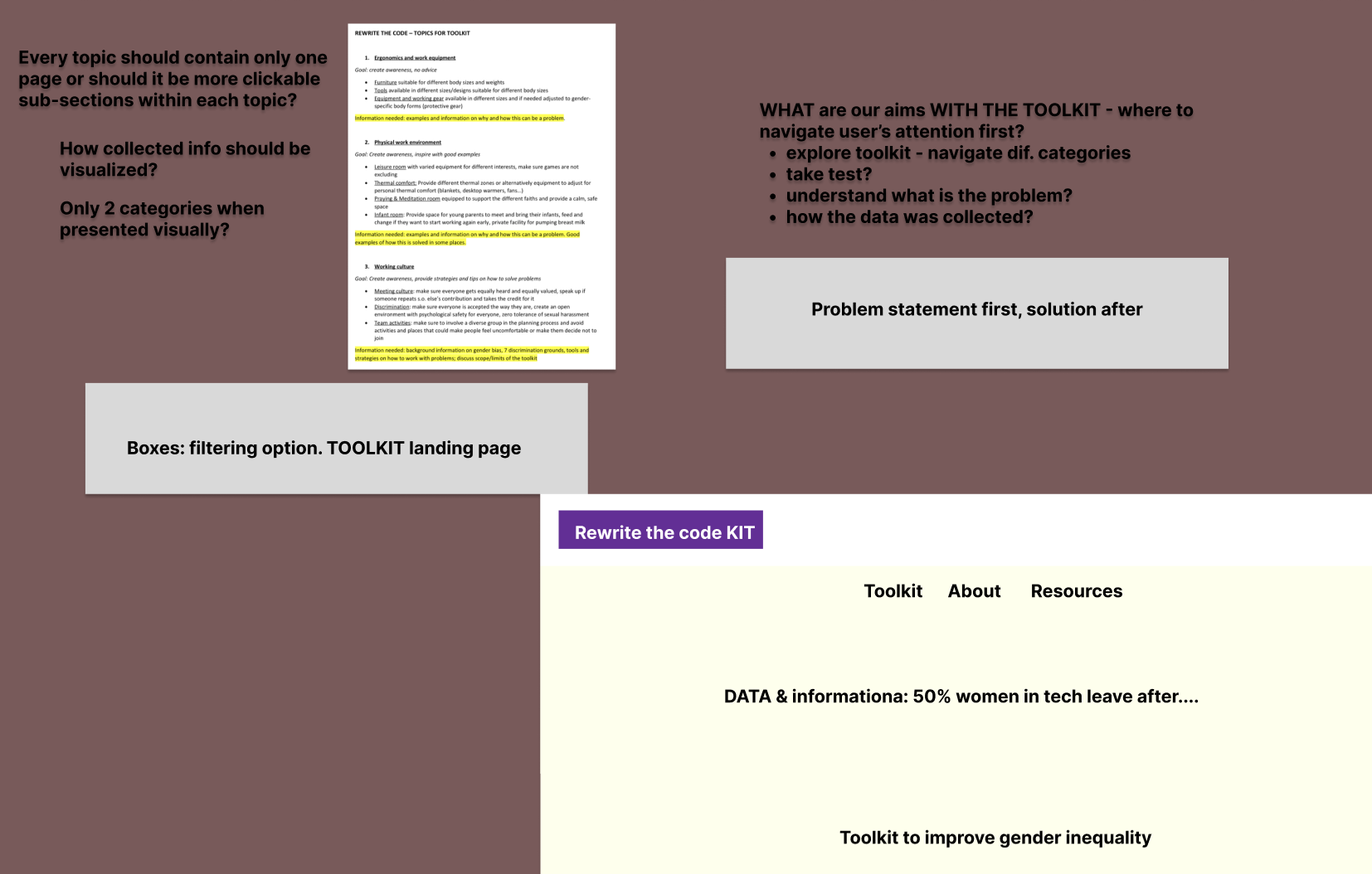
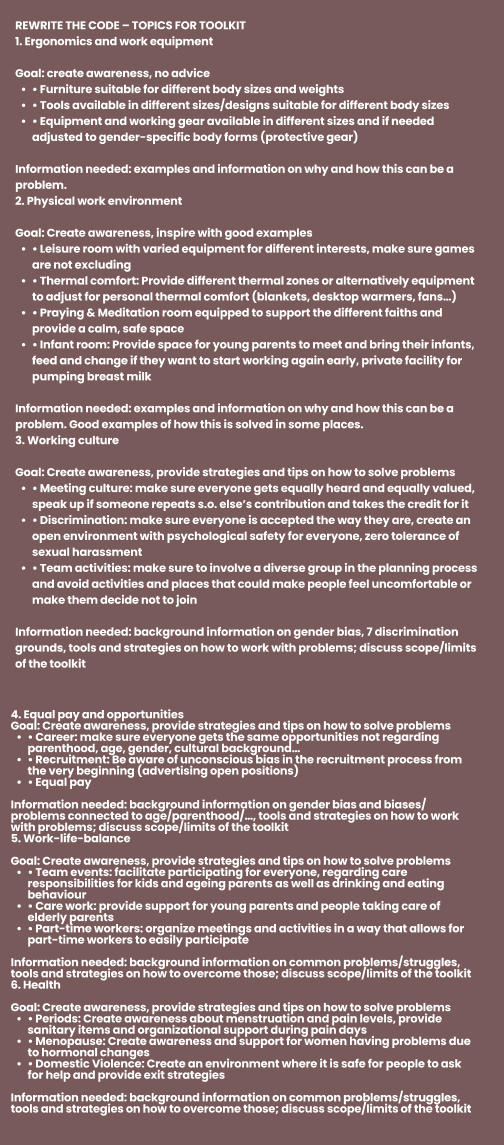
We used design workshops and brainstorming sessions to generate ideas, focusing on the following features:
Design
Wireframes & Prototyping:
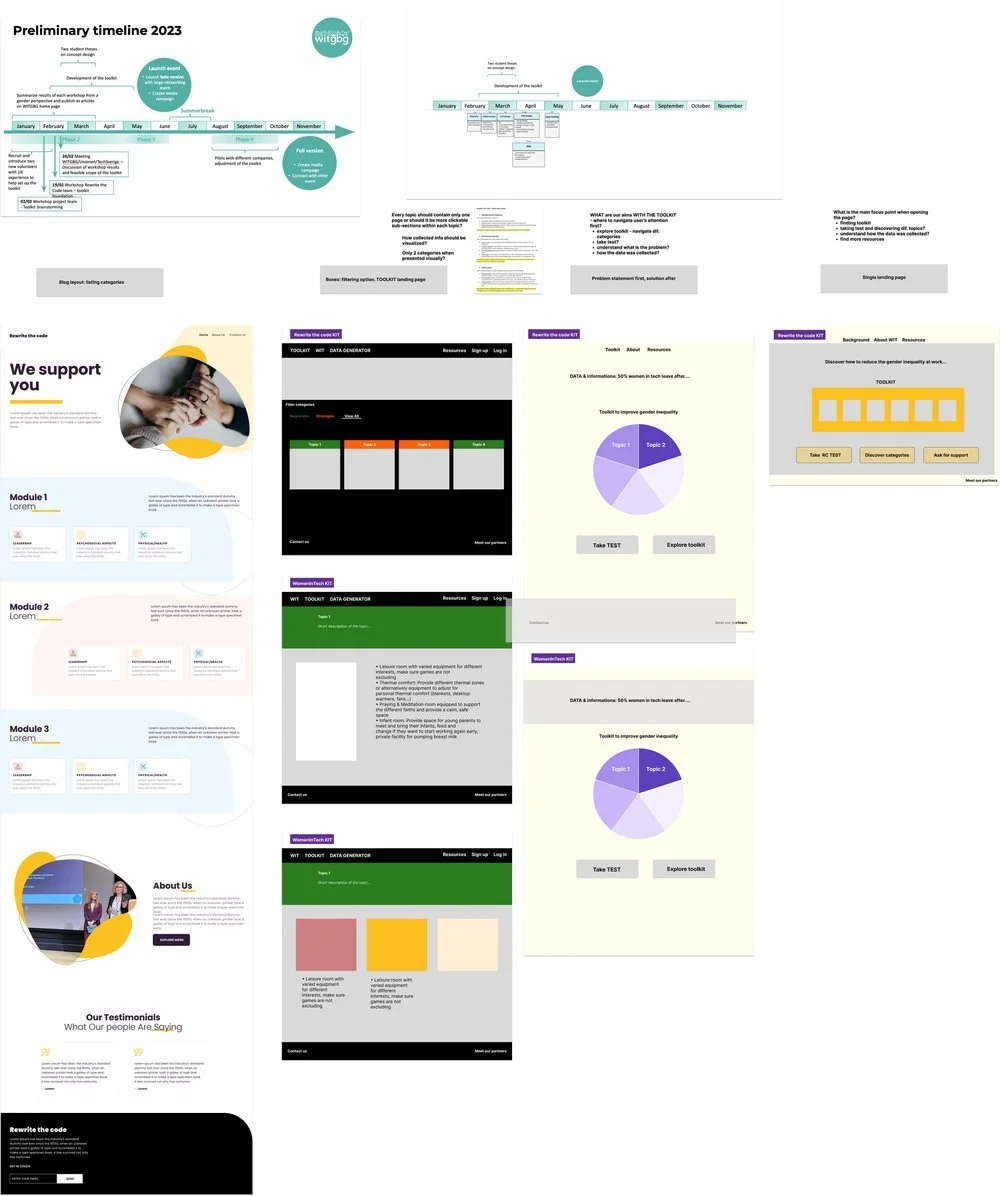
Created low-fidelity wireframes to map user flows for core features like mentorship and resource browsing.
Developed high-fidelity prototypes with intuitive navigation, clean layouts, and accessible color palettes to foster trust and engagement.
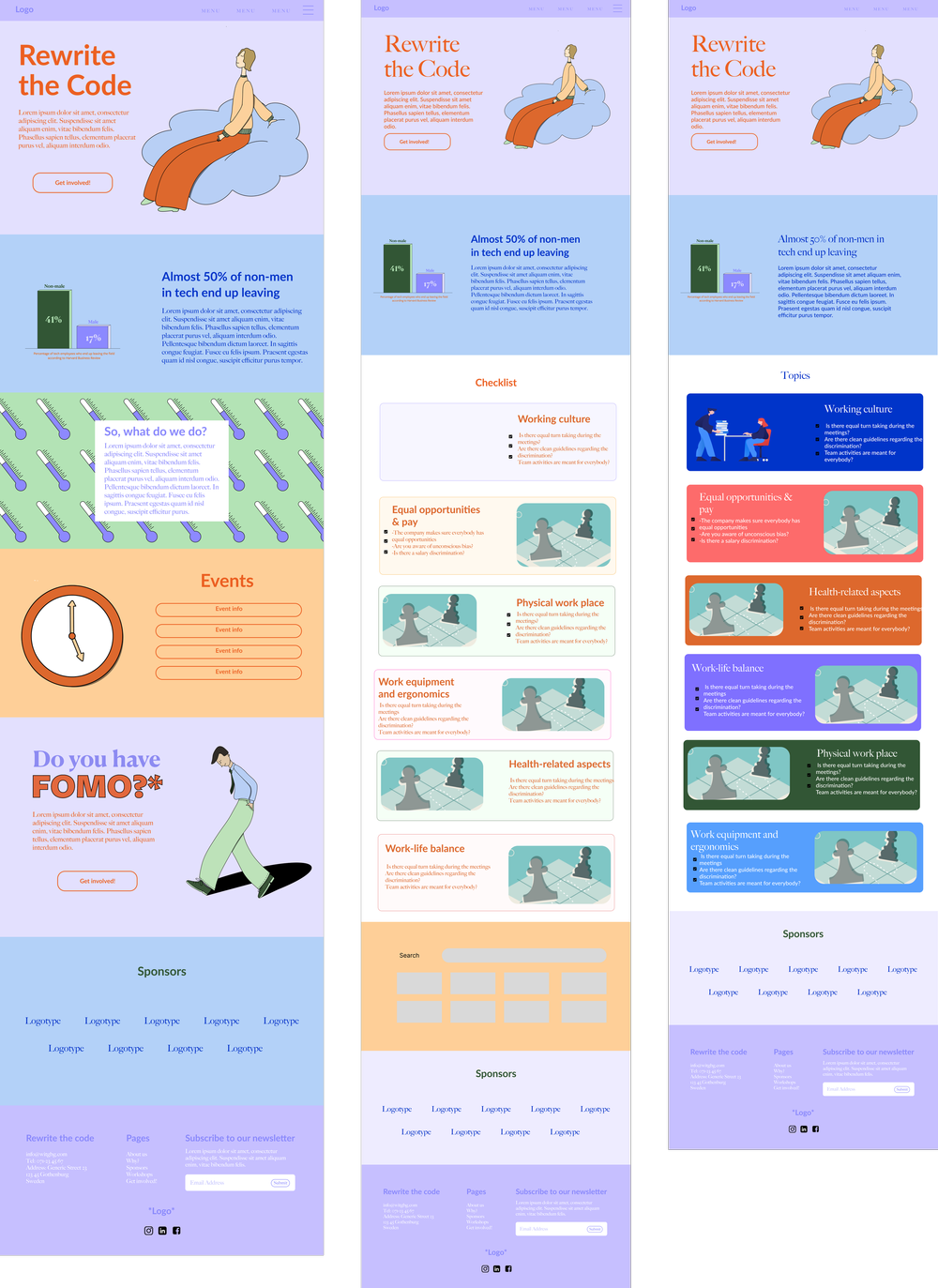
High fidelity prototype
UI Design Highlights:
Visual Style:
Modern, vibrant, and welcoming.
A balance of professional and friendly, with colors symbolizing empowerment and inclusion.
Typography:
Large, readable fonts for accessibility.
Icons & Illustrations:
Used relatable, diverse illustrations of women in tech to foster representation.
The Final Product
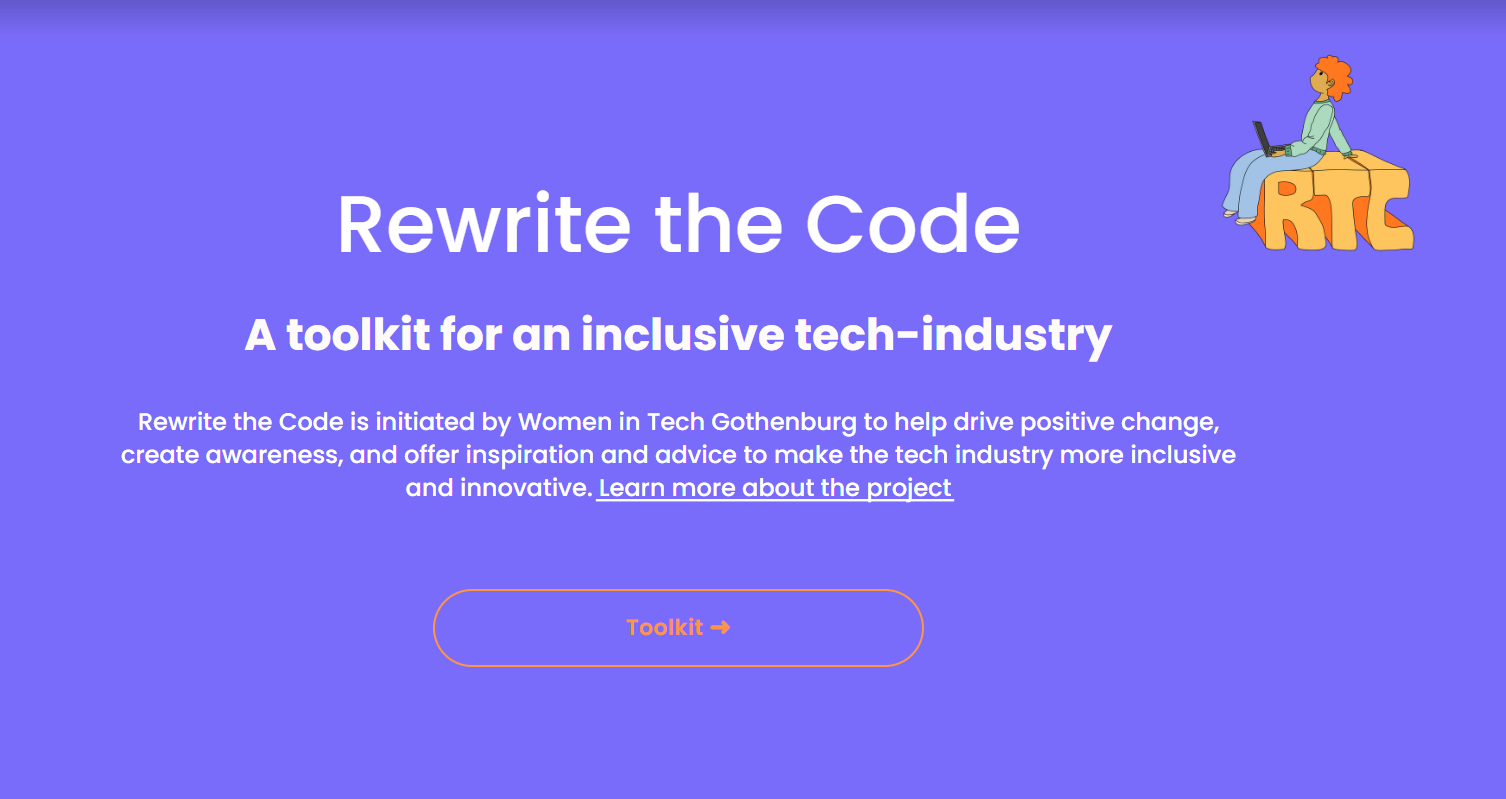
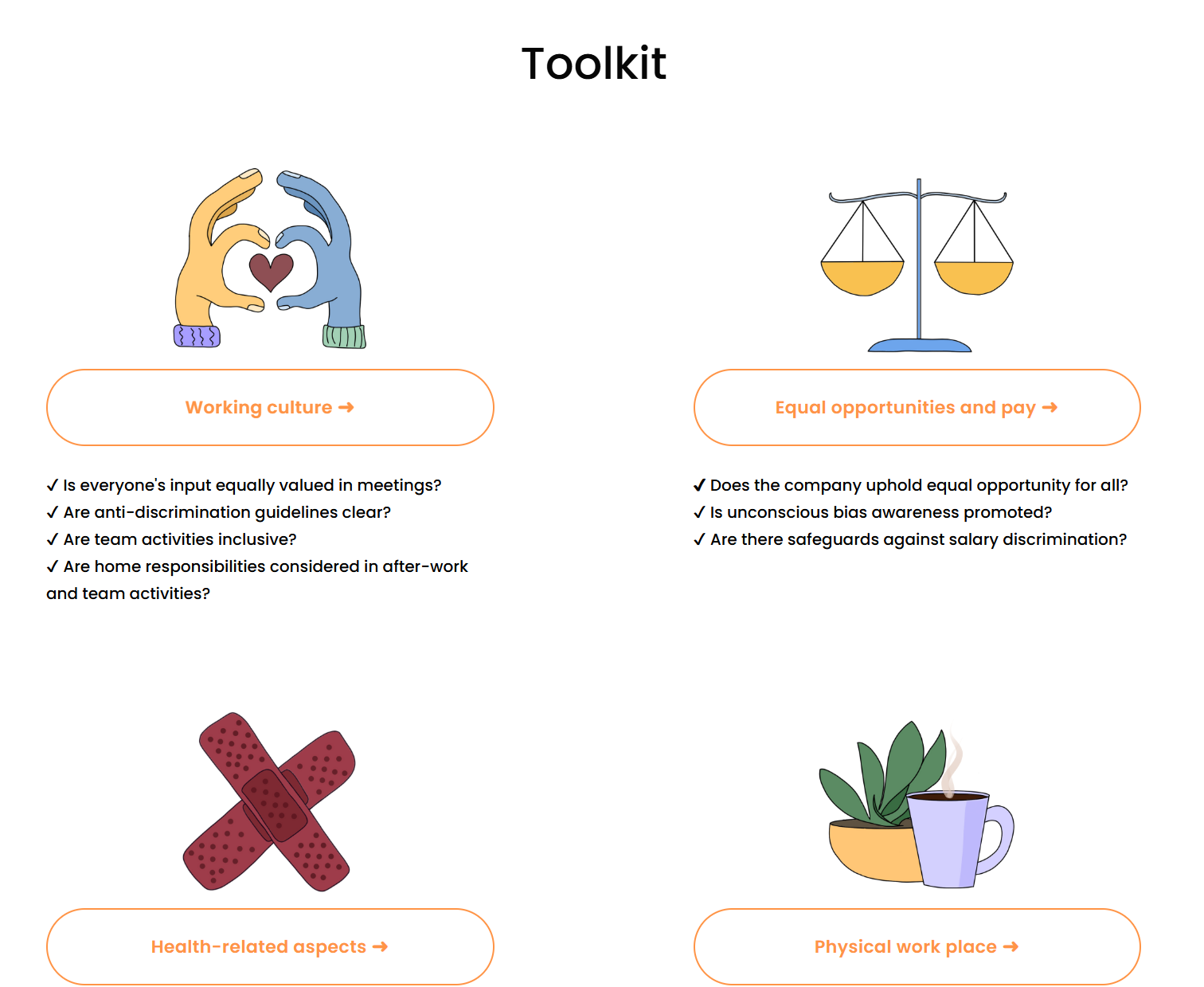
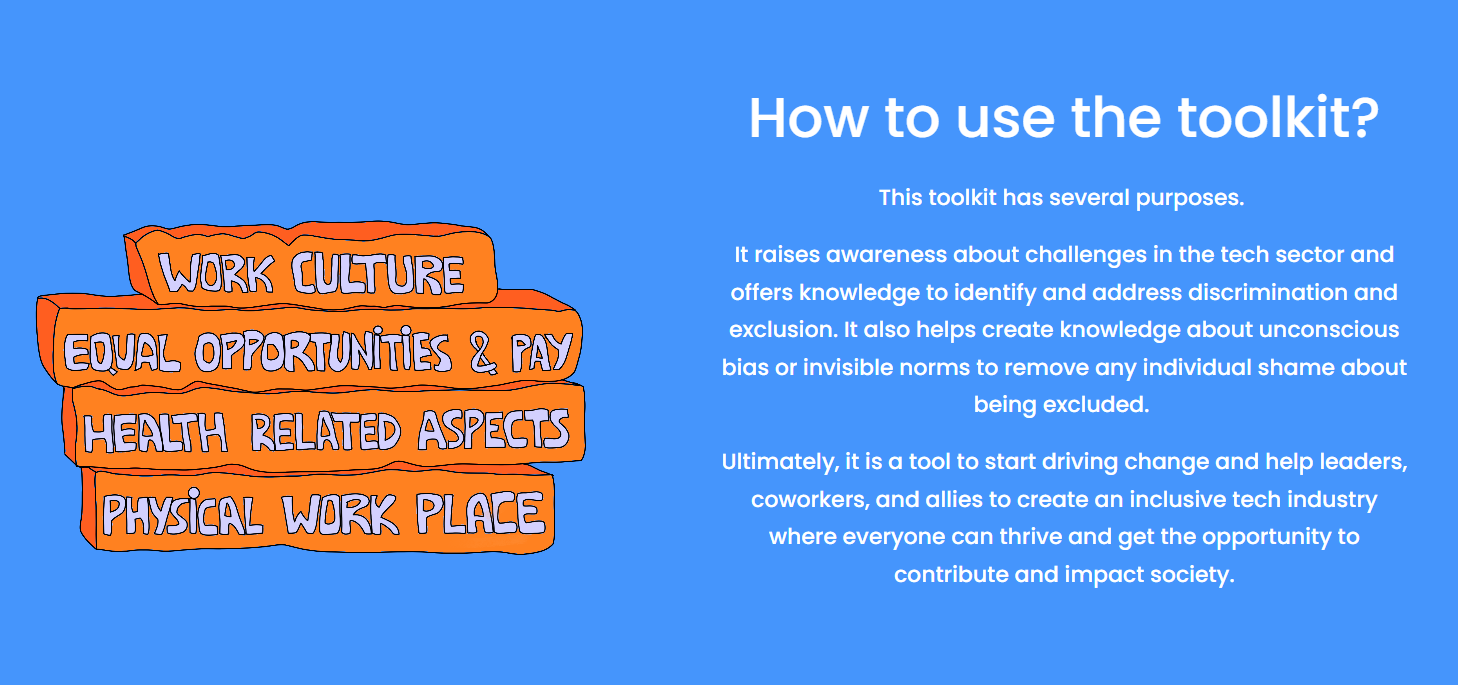
Rewrite the Code is the culmination of this UX/UI design process. It's a platform designed to empower women in tech by providing them with the resources, mentorship, and community they need to thrive. The platform is a testament to the power of user-centered design in creating meaningful and impactful solutions.