Technical writing
I have worked as a technical writer for multiple companies, such as Matthews Marking System, Cellink and Resource group. During my time there, I was responsible for creating comprehensive manuals, UX/UI guidelines, and user manual frameworks to ensure clarity, consistency, and a seamless user experience.
Work examples
Here are some examples from the work I did at Cellink.
I also contributed guidelines on using animations in UX/UI design at CELLINK, providing future employees with best practices for creating smooth, intuitive, and user-friendly interactions. These guidelines ensure consistency in motion design, enhance user experience, and align animations with the brand’s design language.
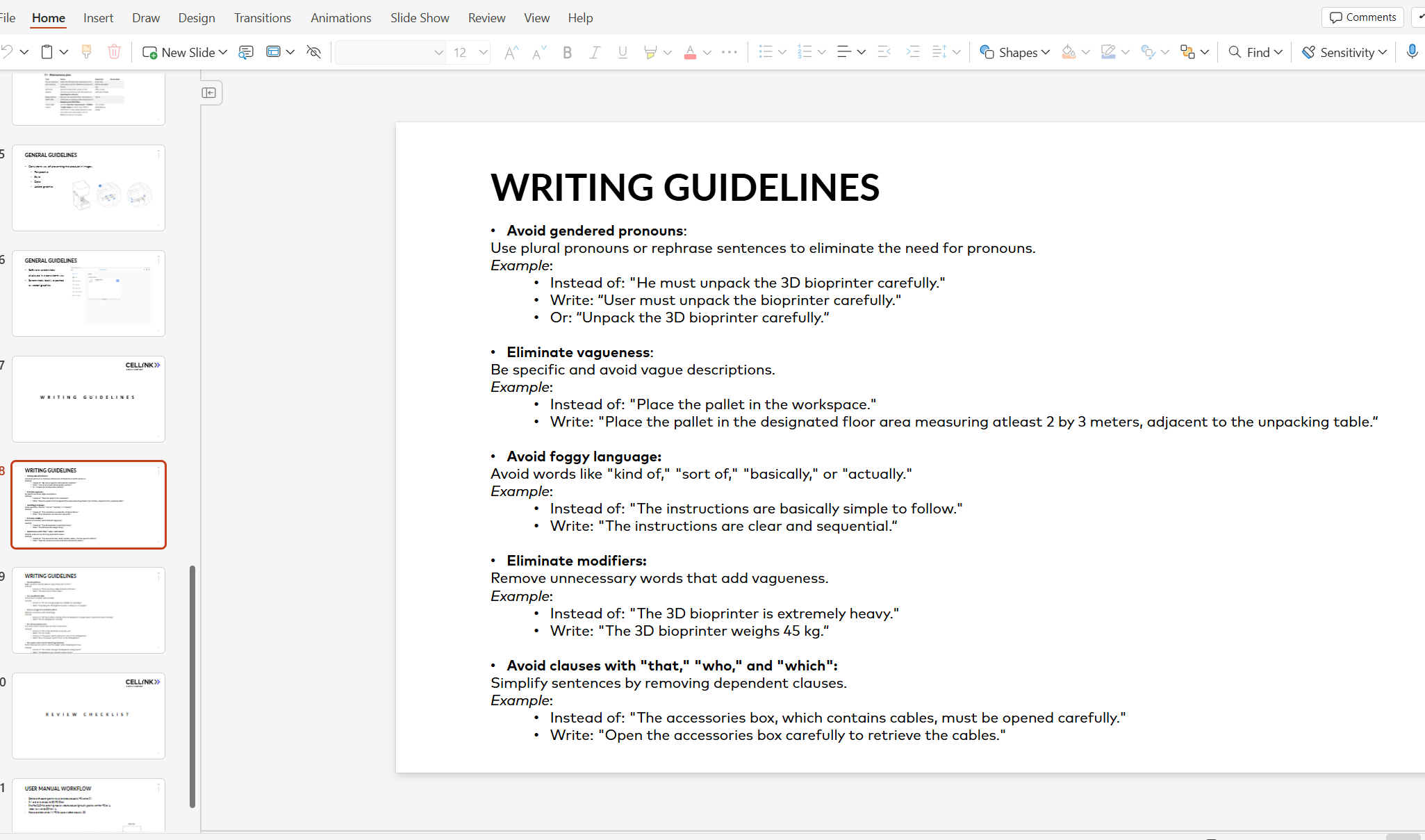
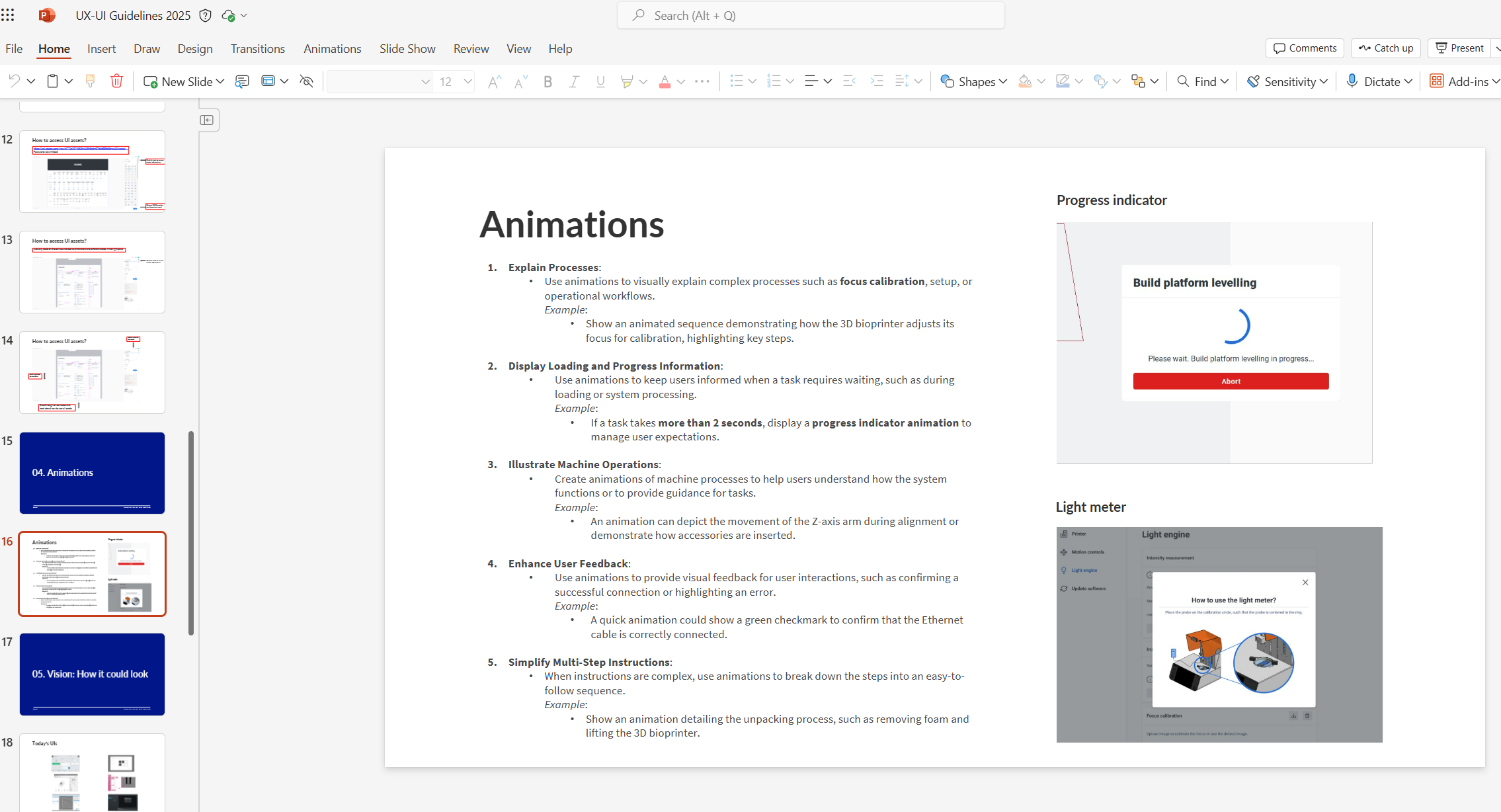
User manual
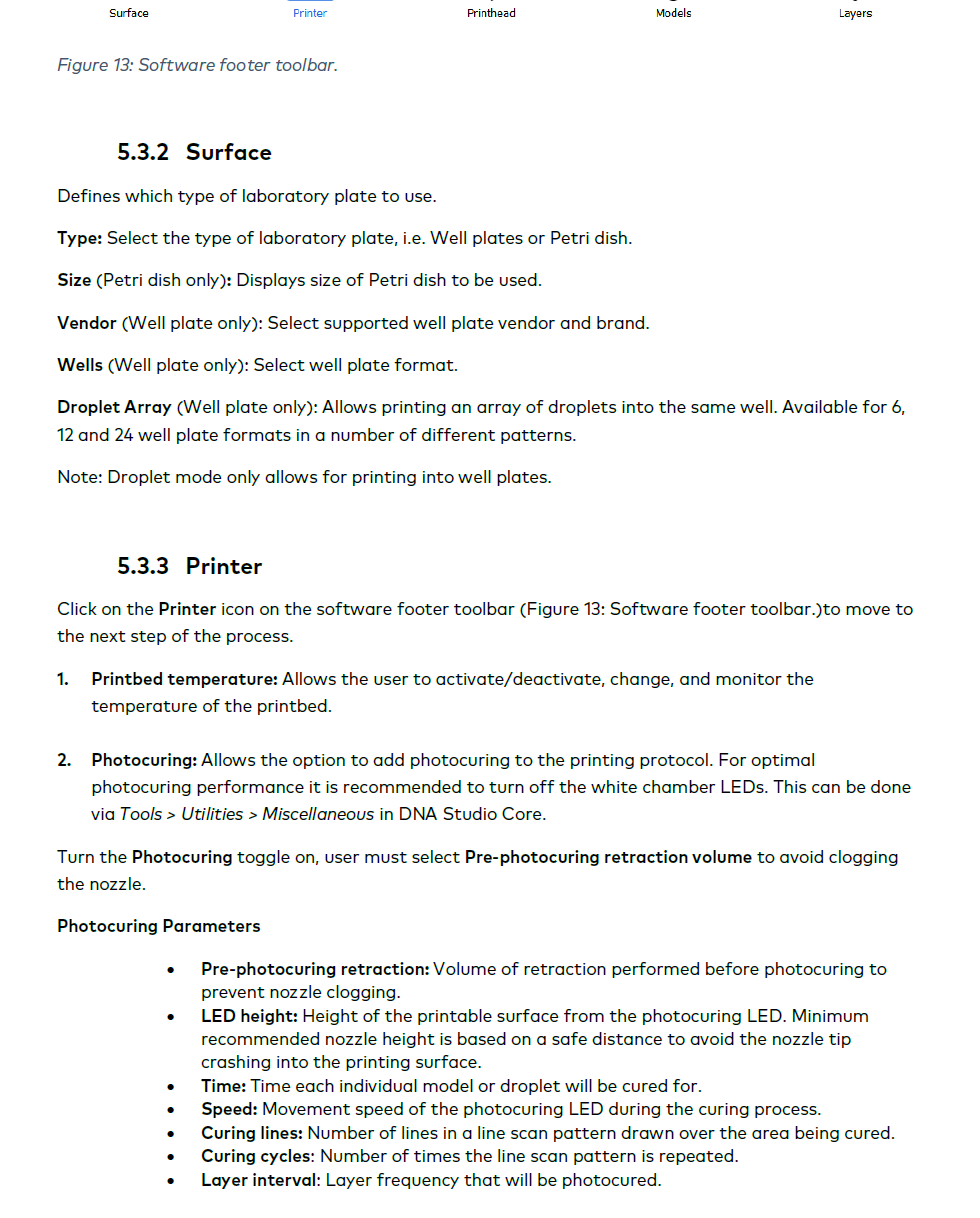
At CELLINK, I created detailed newer versions of user manuals for Lumen X, BIO ONE, and BIO X, ensuring that users could easily understand and operate these advanced bioprinting systems. My manuals focused on clarity, technical accuracy, and user-centric design, covering everything from setup and functionality to troubleshooting and best practices. By structuring content intuitively and integrating visuals where needed, I helped streamline the learning process for new and experienced users alike.
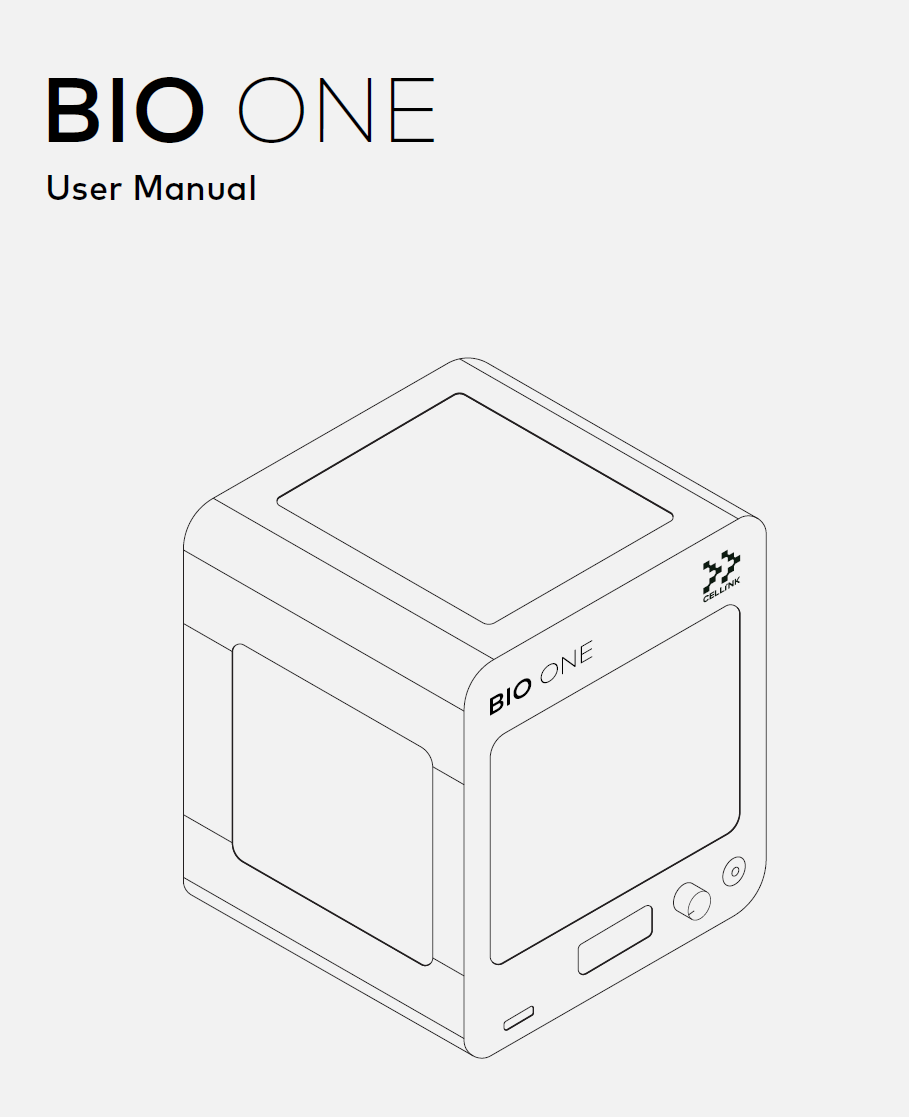
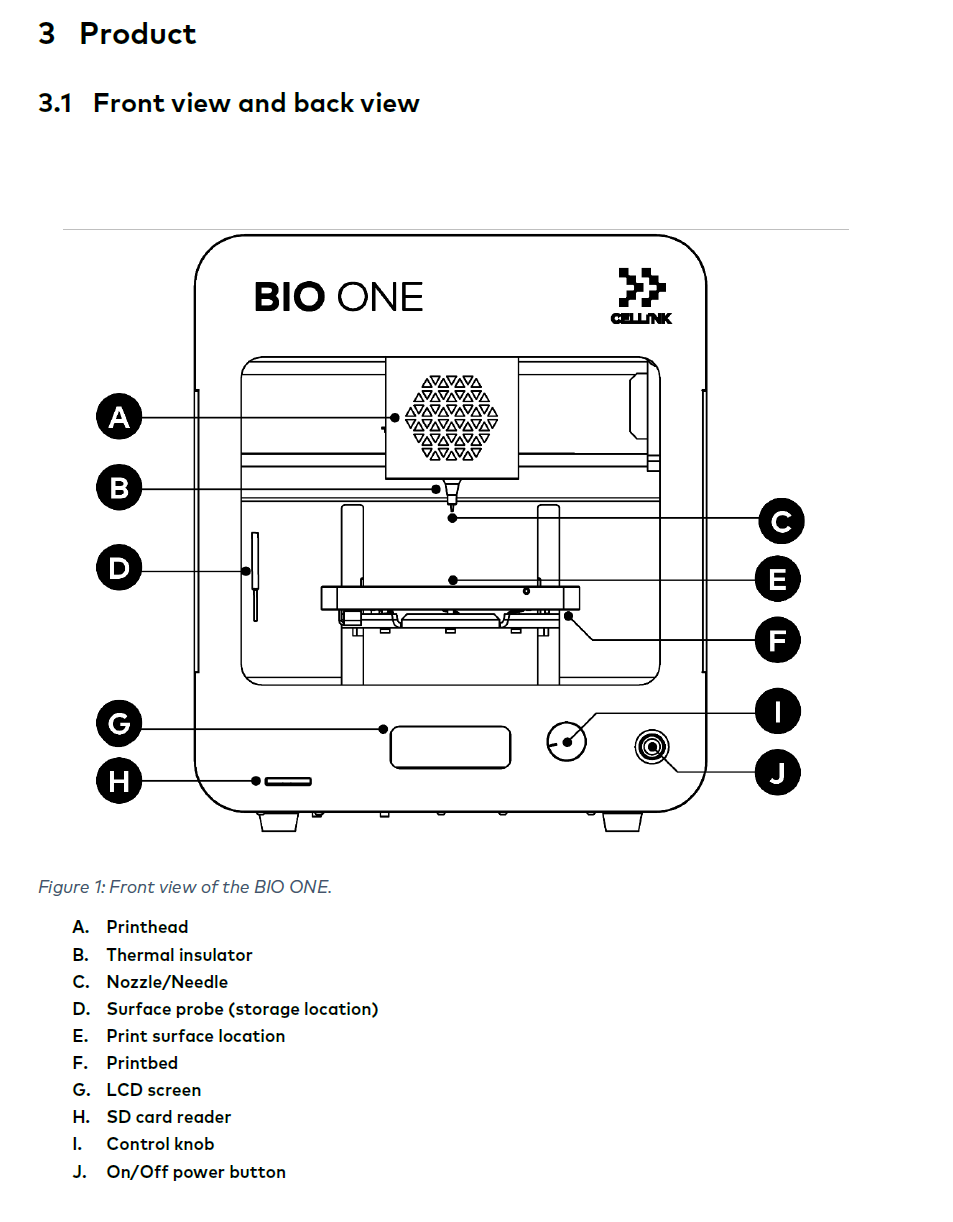
User manual
At Matthews Marking Systems, I worked at the intersection of engineering, design, and technical communication, creating clear, accurate, and visually consistent assets for industrial marking and coding products.
My work focused on translating complex hardware and software systems into easy-to-understand visuals, documentation, and digital content used by customers, technicians, and internal teams.